
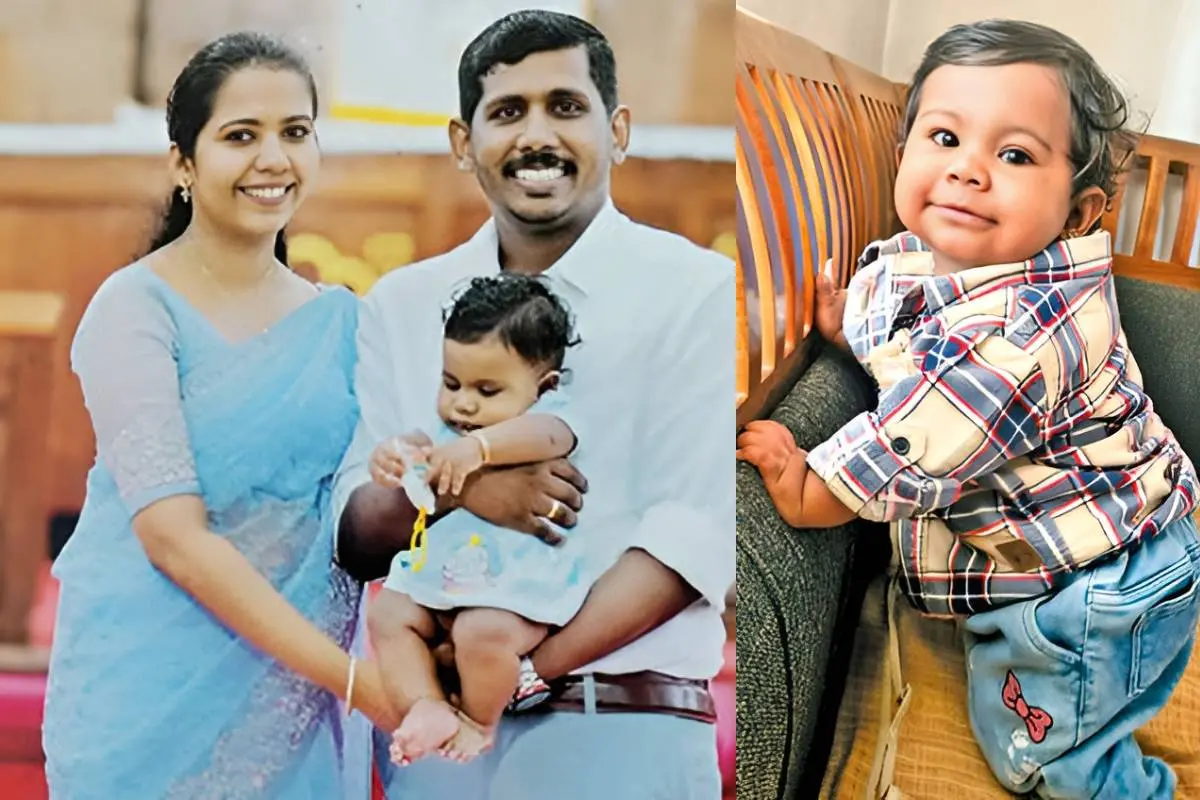




In early 2026, the world witnessed a profoundly moving example of compassion and medical valor when a 10 month baby donor in Kerala became the youngest organ donor in the state’s history. This brain‑breaking yet inspirational journey of infant organ donation has captivated hearts across India, shining a light on the power of human generosity even in the darkest of times. According to The Times of India (published February 12, 2026), this case marks a new chapter in pediatric organ donation awareness and highlights the urgent need for education around organ transplantation.
This story not only honors a tiny life lost far too soon but celebrates the incredible gift given to others through organ donation. In this article we explore the medical, emotional, ethical, and social dimensions of this baby organ donor story and how the legacy of one infant is improving lives for many.
What Happened ? Understanding the 10 Month Baby Donor Case
At just 10 months old, this child was declared brain dead after a sudden and severe medical emergency. In such rare cases, when all neurological activities cease, families are faced with heartbreaking decisions. Brain dead infant organ donation is possible when medical teams determine that vital organs can be transplanted to save others’ lives.
The parents made a courageous decision to donate their baby’s organs, enabling multiple patients to receive the gift of life through transplantation. This kind act took place in Kerala, and medical teams worked seamlessly to ensure that the process complied with medical ethics, legal standards, and emotional care for the grieving family.
This youngest organ donor case has sparked national discussion around the importance of organ donation registrations, especially for pediatric cases.
How Infant Organ Donation Works
Infant organ donation, particularly in cases involving babies as young as 10 months, is medically complex. Unlike adult donors, pediatric organ donation requires specialized protocols:
- Brain Death Certification:
A confirmed declaration of brain death by a medical board is the first critical step. This constitutes legal death even if the heart temporarily continues beating with support. - Organ Evaluation:
Doctors assess which organs are viable. Pediatric organs can often be transplanted into other children or even adults, depending on size compatibility and urgency. - Consent and Ethical Procedures:
Parents or legal guardians must give informed consent. In India, this includes clear communication regarding procedures, expectations, and potential outcomes. - Transplant Coordination:
A transplant coordination team matches donors with recipients, manages surgical logistics, and supports family needs.
Through this structured process, the 10 month baby donor became a lifeline for patients awaiting organs in critical condition.
The Medical Impact — Lives Saved Through Organ Transplantation
One of the most important aspects of pediatric organ donation is its impact on recipients. According to transplant medicine studies, pediatric organs are often in short supply. Each donor can save multiple lives or significantly improve quality of life:
- Heart transplants may save toddlers with congenital heart issues.
- Kidneys can restore normal life for children with chronic kidney disease.
- Livers from infants can be life‑saving for other children with metabolic disorders.
The 10 month baby donor case provided organs that were successfully transplanted a testament to modern medical capabilities and coordination.
Emotional and Ethical Dimensions
Grieving and Giving
Choosing to donate a child’s organs requires unimaginable strength. The parents’ decision reflects a deep commitment to compassion even as they navigated profound loss. Psychological support is paramount for families in these situations, including counseling before and after the donation.
Public Perception and Ethics
Organ donation, especially infant organ donation, can stir fear and misunderstanding. Ethical guidelines exist to ensure that decisions are voluntary, medically justified, and transparent. Awareness campaigns help dispel myths for example, that doctors will not save a life if a patient is a registered donor, or that religion forbids donation both of which are not true in mainstream Indian cultural contexts.
Organ Donation in India — Trends and Challenges
Despite progress, organ donation rates in India lag behind global averages. There are several reasons:
- Lack of Awareness: Many families do not fully understand what organ donation entails.
- Cultural Misconceptions: Traditional beliefs sometimes interfere with willingness to donate.
- Infrastructure Gaps: Not all regions have robust transplant coordination networks.
However, inspiring stories like the 10 month baby donor case help shift attitudes positively. According to The Times of India report dated February 12, 2026, transplant centers are seeing greater interest and registrations from families moved by such stories.
How You Can Become an Organ Donor
Taking steps toward organ donation is straightforward:
- Register as a Donor:
Visit official government portals to add your name to the organ donor registry. - Carry a Donor Card:
This ensures your wishes are known. - Discuss With Family:
Since the next‑of‑kin consent is required in India, family awareness is crucial. - Support Awareness Efforts:
Share information with your community about infant organ donation, as well.
Success Stories From Pediatric Organ Transplants
Around the world and in India, pediatric transplant success stories abound:
- Children who received liver transplants growing up into healthy adults.
- Heart transplants in infants correcting life‑threatening conditions.
- Kidney transplantation enables young recipients to return to school and play.
These narratives emphasize that behind every medical procedure are transformed lives made possible by donors and their families.
The Broader Social Impact of Organ Donation Stories
Media coverage of the 10 month baby donor and similar cases has real societal impact:
- Education: The public learns about medical possibilities and donation procedures.
- Empathy: Humanizes the decision‑making process for orphaned or tragic loss.
- Policy Support: Spreads support for laws facilitating organ donation and transplant infrastructure.
In India’s diverse population, culturally sensitive outreach helps communities across religions, languages, and regions understand organ donation’s life‑saving potential.
Pediatric Organ Donation and Healthcare Infrastructure
Robust infrastructure is key to effective infant organ donation:
- 24/7 transplant coordination teams
- Advanced neonatal and pediatric intensive care units
- Skilled transplant surgeons
- Support networks for donor families
Kerala’s medical community, through this case, demonstrated excellence in handling pediatric brain death cases with sensitivity and professionalism.
Addressing Common Questions About Baby Organ Donation
Q: Can babies really donate organs?
A: Yes. With proper brain death declaration and medical assessment, organs from infants can be transplanted.
Q: Does it cause pain?
A: No. Brain dead patients do not experience pain, and surgery is conducted under anesthesia protocols.
Q: What organs can be donated by infants?
A: Heart, liver, kidneys, lungs, and even corneas in some cases depending on viability.
The Legacy of the 10 Month Baby Donor
This remarkable story extends far beyond medical charts and headlines. It stands as a reminder of human dignity, the generosity of family in tragic times, and the lives forever changed because of one infant’s brief presence in the world. The youngest organ donor in Kerala’s history has left behind a legacy of hope, compassion, and life‑saving impact.
Final Thoughts — Moving Forward With Hope and Understanding
Organ donation in India is at a pivotal moment. Stories such as the 10 month baby donor encourage reflection, inspire action, and reinforce the idea that even in the face of grief, humanity can choose to give. As awareness spreads and registries grow, more families will be informed and empowered to make life‑saving decisions where every organ donation becomes a bridge from loss to hope.
Source: NewsNarada rewrite based on verified reports fromNDTV (World News),The times of India,India today
Reference for medical context: NDTV Health article on the 10 month old declared brain dead and organ donation.
Stay connected with newsnarada.in – Messenger of Truth.