
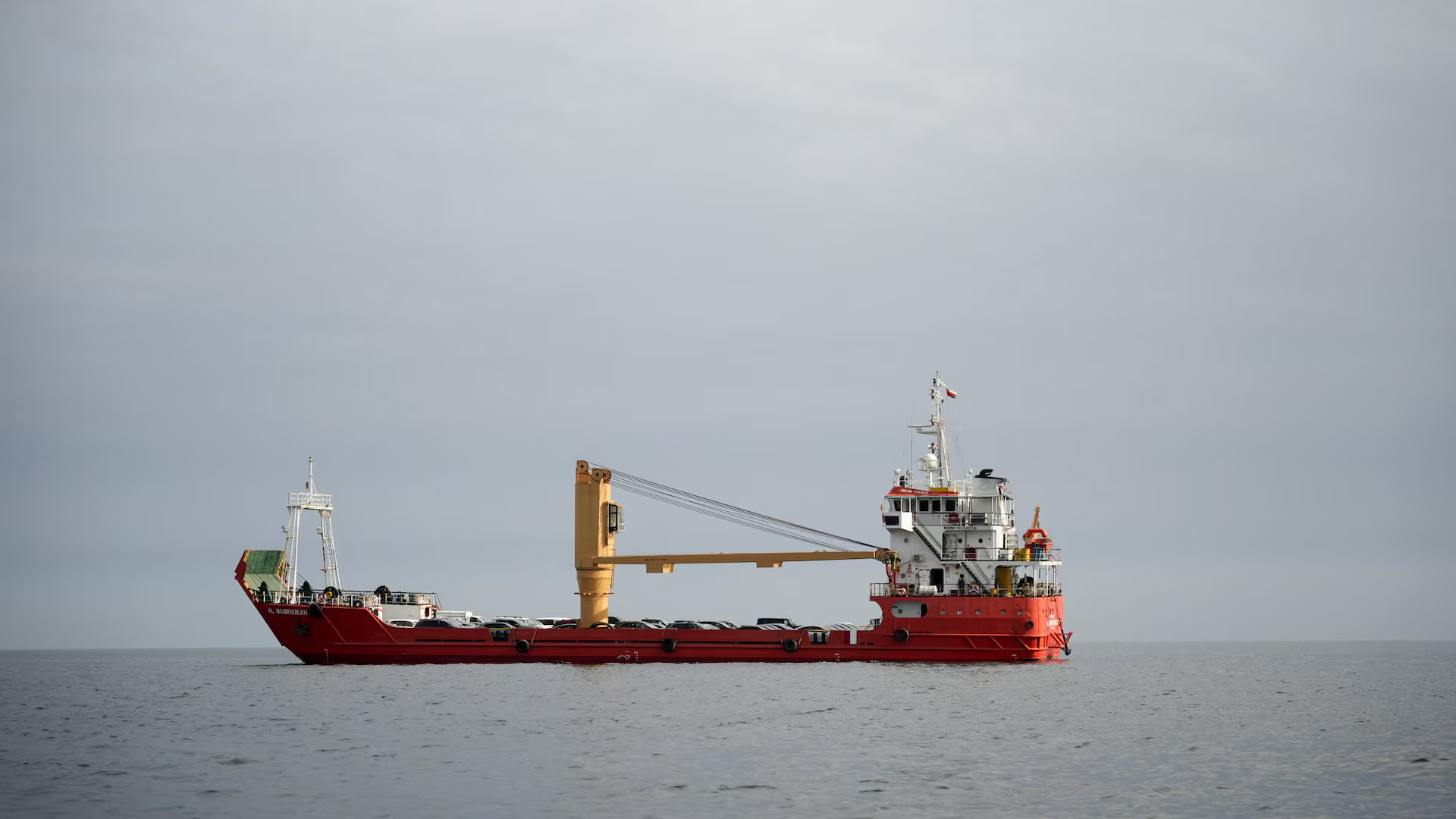
In 2026, the blockade of the Strait of Hormuz became one of the most important issues in the world, causing worry in governments, businesses, and financial markets. This narrow but strategically important waterway is very important for moving a large amount of the world’s oil supply, so any disruption is a big deal for the whole world.
Recent developments surrounding the Strait of Hormuz blockade have intensified fears of a potential global oil supply crisis, with experts warning about rising fuel prices and economic instability. As tensions in the Middle East continue to escalate, the situation has drawn attention from major global powers.
To understand how connected the world economy is and how one geopolitical event can change millions of lives around the world, you need to know about the Strait of Hormuz blockade.
What is the Strait of Hormuz and why is it important?
The Strait of Hormuz is one of the most important shipping routes in the world.
Key facts:
- Connects the Persian Gulf to the Gulf of Oman
- Handles nearly 20% of global oil trade
- Used by major oil-exporting countries
The Hormuz Strait is important because it lets energy flow between continents. Any kind of disruption, like a blockade of the Strait of Hormuz, can have immediate and far-reaching effects.
What Caused the Blockade of the Strait of Hormuz
The blockade of the Strait of Hormuz is closely related to rising tensions in the Middle East in 2026, especially between Iran and its geopolitical partners.
Some important triggers are:
- Political fights and sanctions
- Military presence in the region
- Strategic power struggles
The Iran Strait of Hormuz issue has historically been a flashpoint, and current developments have reignited global concerns.
Immediate Effect on the Supply of Oil Around the World
The blockade of the Strait of Hormuz has the most direct effect on the movement of oil.
Some of the effects are:
- Delays in oil shipments
- Increased shipping costs
- Reduced supply in global markets
When such an important route is blocked, the global oil supply crisis becomes a real threat.
Countries that get a lot of their oil from other countries are especially vulnerable to the effects of an oil blockade.
The Effects of Rising Oil Prices on the Economy
One of the biggest worries about the Strait of Hormuz blockade is how it will affect the price of oil.
When supply is disrupted:
- Prices increase rapidly
- Inflation rises globally
- Fuel costs affect daily life
During these kinds of crises, the relationship between the global economy and oil prices becomes very fragile.
If tensions stay high, the Strait of Hormuz blockade could cause long-term economic problems.
Shipping Disruptions and Trade Challenges
Another big problem is the shipping disruption oil trade issue.
Shipping companies have to deal with:
- Higher risk while in transit
- Higher insurance costs
- Longer alternative routes
These problems make global trade less efficient, so the Strait of Hormuz blockade is a worry for more than just oil.
What Countries Are Doing
Governments worldwide are closely monitoring the Strait of Hormuz blockade.
Responses include:
- Strategic oil reserves usage
- Diplomatic negotiations
- Military preparedness
Big economies are trying to lessen the effects of the oil blockade, but there is still a lot of uncertainty.
Historical Context of Hormuz Tensions
The Iran Strait of Hormuz issue is not new.
Historically:
- The region has seen multiple conflicts
- Threats of blockades have occurred before
- Global markets have reacted strongly
Knowing this history helps us understand why the current blockade of the Strait of Hormuz is so important.
Effects on Developing Nations
The Strait of Hormuz blockade will probably have the worst effects on developing countries.
Challenges include:
- Higher fuel prices
- Increased cost of goods
- Economic instability
Because these countries don’t have as many resources, the global oil supply crisis hits them harder.
Alternatives to energy and the future
The blockade of the Strait of Hormuz also shows how important it is to find other ways to get energy.
Countries are increasingly focusing on:
- Renewable energy
- Diversified supply chains
- Reduced oil dependency
The Hormuz Strait may become less important over time if more people start using alternative energy sources.
What the world’s major powers did during the crisis
Major world powers are working hard to deal with the blockade in the Strait of Hormuz.
Part of their job is:
- Ensuring maritime security
- Facilitating diplomatic talks
- Stabilizing global markets
The outcome of these efforts will determine how long the crisis lasts.
Why This Crisis Is Important to Regular People
The blockade of the Strait of Hormuz is not just a political problem; it affects people’s daily lives.
People may feel:
- Higher petrol prices
- Increased transportation costs
- Rising prices of goods
The prices of oil on the world market affect households all over the world.
More Information: The Domino Effect of Oil Disruptions
One important thing about the blockade of the Strait of Hormuz is that it has a domino effect on many industries. When oil supplies are affected, it doesn’t just raise the price of gas; it also affects transportation, manufacturing, and even the supply chains for food. Airlines have to pay more to run their businesses, logistics companies raise their delivery fees, and businesses pass these costs on to their customers. This interconnected effect makes the global oil supply crisis much more complicated than it seems, showing how important oil is to modern economies.
Final Thoughts on the Blockade of the Strait of Hormuz
The blockade of the Strait of Hormuz is a strong reminder of how weak global systems can be. One problem in a key area can have effects on economies, industries, and daily life all over the world.
The need for stability, cooperation, and long-term solutions is more important than ever as the world watches closely.
The blockade of the Strait of Hormuz is not just a problem for the region; it is a problem for the whole world that needs to be dealt with together.
Source: CNN report on Strait of Hormuz blockade and its global economic and geopolitical impact in 2026.