
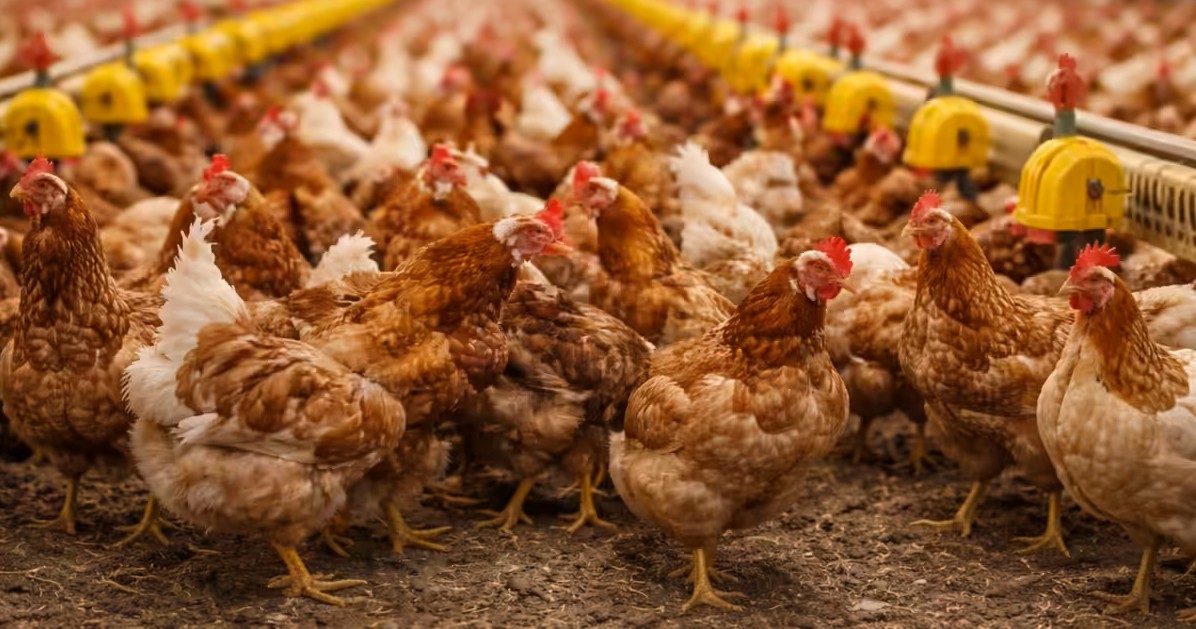
The Saudi Arabia poultry import ban has become one of the most talked-about developments in global agricultural trade in 2026. In a major move, the kingdom announced restrictions on poultry and egg imports from over 40 countries, including India, sparking concerns among exporters, farmers, and trade experts about the short- and long-term effects on the global poultry supply chain.
This decision reflects Saudi Arabia’s broader goal of protecting domestic production and ensuring food security. It also represents a significant moment in Middle East trade policy, as countries in the region adjust their import strategies to meet evolving market demands.
In this article, we explore what the Saudi Arabia poultry import ban means for exporters like India, how international markets are reacting, and what farmers and policymakers may expect in the coming months.
Why Saudi Arabia Implemented the Poultry Import Ban
The Saudi government’s decision to impose a Saudi Arabia poultry import ban on products from countries including India, Brazil, and the European Union came as part of an effort to support local producers and strengthen national food security. According to officials, the move prioritizes domestic demand while reducing reliance on foreign imports for essential food items.
Historically, Saudi Arabia has been one of the largest importers of poultry products in the Middle East. With a growing population and high consumption rates, poultry and eggs are significant components of daily diets across the kingdom. However, evolving global market conditions and shifting priorities have led Riyadh to implement a revised trade strategy.
Through the ban, officials aim to:
- Encourage domestic poultry production and self-sufficiency
- Reduce exposure to volatile international markets
- Strengthen control over food supply chains
- Promote rural employment and local farm investment
This strategic shift reflects broader trends in national economic planning as Saudi Arabia seeks to diversify its economy beyond oil and build resilience in critical sectors like food and agriculture.
Impact on India’s Poultry and Egg Export Market
For countries like India, which have been significant exporters of poultry and egg products to Saudi Arabia, the announcement of the Saudi Arabia poultry import ban carries clear economic and trade implications.
Exporters and industry associations have expressed concerns about potential revenue losses, especially after several years of steady growth in poultry exports to the Middle East. Poultry processors and cold-chain logistics companies that depend on cross-border shipments may now face reduced demand, at least in the short term.
In addition, the ban on eggs, a product category that has seen increasing export volumes has further raised trade uncertainties. Egg producers in India have to now reassess market strategies and find new destinations to offset the expected gap in Saudi trade.
Farmers and trade analysts point out that while domestic markets in India remain strong, losing access to a major destination like Saudi Arabia could affect inventory planning, pricing structures, and export revenues. Some are calling for government-led diplomatic engagement to explore exceptions or phased transition strategies.
Broader Reaction in Global Trade Circles
The Saudi Arabia poultry import ban has also sparked reactions from international trade partners and market watchers. Analysts note that while the decision may cause short-term disruptions in the global poultry supply chain, it also opens opportunities for other countries to adjust and reposition their export strategies.
Exporters from nations not affected by the ban are expected to fill some of the gaps in certain product categories. Meanwhile, countries that previously relied on exporting poultry to Saudi Arabia are likely to explore alternative markets across Africa, Southeast Asia, and the Gulf Cooperation Council (GCC) region.
Experts also point to broader factors shaping such policy decisions, including rising food prices, logistical challenges, and changing consumer behavior in the post-pandemic era. These dynamics have contributed to Saudi Arabia’s move, which aims to balance domestic needs with external trade dependencies while ensuring long-term food security.
What This Means for Saudi Arabia’s Domestic Poultry Sector
Domestically, the new import restrictions are intended to encourage local production. Agricultural authorities in Saudi Arabia have been promoting initiatives to modernize farms, expand hatchery capacity, and attract investment in poultry feed and breeding technologies.
By limiting imports, policymakers are signaling confidence in the kingdom’s ability to meet a growing share of its own poultry and egg demand. Local farmers, feed manufacturers, and agricultural technology firms could benefit from increased policy support and enhanced market opportunities.
Nevertheless, industry insiders caution that domestic supply expansion may take time to match consumption levels previously supported by imports. During this transition period, prices of poultry products particularly chicken and eggs could experience short-term volatility as markets adjust to new supply patterns.
Regional Implications: Middle East Trade Policy 2026
The recent import restrictions have wider implications across the Middle East. Neighboring countries are closely observing Riyadh’s approach and considering whether similar measures could be introduced to strengthen their own domestic food sectors.
Trade experts suggest that the move reflects a shift in Middle East trade policy 2026, with countries becoming more proactive about reducing reliance on imported goods. Regional agricultural collaborations, investment in smart farming, and cross-border supply partnerships are now emerging as key policy priorities.
Some analysts even speculate that this may lead to greater cohesion within trading blocs like the GCC, where member states could harmonize agricultural standards and investments to ensure food security without over-dependence on imports.
Response From Indian Government and Industry
In response to the ban, Indian government officials and trade bodies have expressed their intent to engage diplomatically with Saudi authorities, exploring ways to mitigate the impact on exporters and renegotiate terms where feasible.
While the Saudi Arabia poultry import ban effectively limits trade in certain animal products, discussions may evolve around phased implementation, verification of sanitary standards, or agreements on specific export categories that could still support bilateral commerce.
Industry associations in India have also emphasized the need to diversify export portfolios and tap into emerging markets in Africa, Latin America, and Southeast Asia to reduce reliance on any single trade destination.
The Consumer Angle: Rising Food Prices and Market Shifts
Consumers in Saudi Arabia as well as in exporting countries may experience indirect effects from these new import restrictions. Changes in supply dynamics could lead to price fluctuations in poultry and egg products at the retail level.
In Saudi Arabia, limited imports mean that local producers will initially have stronger pricing power. While this could spur production, it may also lead to higher prices in the short run if local farms take time to scale output.
In exporting countries like India, decreased export demand might lead to added supply in domestic markets, potentially affecting chicken and egg prices locally. These mixed outcomes highlight the complex interplay between trade policies and consumer markets in a globalized food economy.
Environmental and Quality Considerations
One of the unspoken motivations behind the Saudi Arabia poultry import ban may also be linked to quality control and environmental concerns. By focusing on local production, Riyadh has the potential to implement stricter standards for feed quality, biosecurity protocols, and sustainable farming methods.
Environmental advocates argue that localized poultry industry expansion could reduce carbon footprints associated with long-distance transport. At the same time, modern Saudi investment in controlled farming environments and technologies could drive efficiency improvements.
Long-Term Prospects: What Comes Next
As the new import restrictions reshape export patterns in 2026, stakeholders ranging from farmers to government ministries are adjusting to the changing trade environment. Long-term prospects include:
- Strengthened domestic poultry sectors in Saudi Arabia
- Diversified export markets for Indian producers
- Enhanced regional agricultural collaborations
- Increased focus on food security strategies across the Middle East
Trade analysts believe that while the immediate effects of the ban may cause initial market disruptions, they could also lead to deeper structural changes in both exporting and importing nations.
What the Saudi Poultry Import Ban Means for Global Trade
The Saudi Arabia poultry import ban marks an important shift in global agricultural trade, reflecting Riyadh’s focus on boosting local production and strengthening food security. While countries like India and others affected by the restrictions face new challenges, this change also creates opportunities for alternative markets, strategic trade adjustments, and growth in domestic poultry sectors.
As farmers, traders, and policymakers adapt to this evolving scenario, the full effects of Saudi Arabia’s decision will become clearer in the months and years ahead. For now, the ban highlights just how interconnected global food systems are and underscores the ongoing influence of trade policies on shaping markets worldwide.
Source
This article is based on reporting by The Economic Times on Saudi Arabia’s recent ban on poultry and egg imports from multiple countries.
Stay connected with newsnarada.in – Messenger of Truth.