
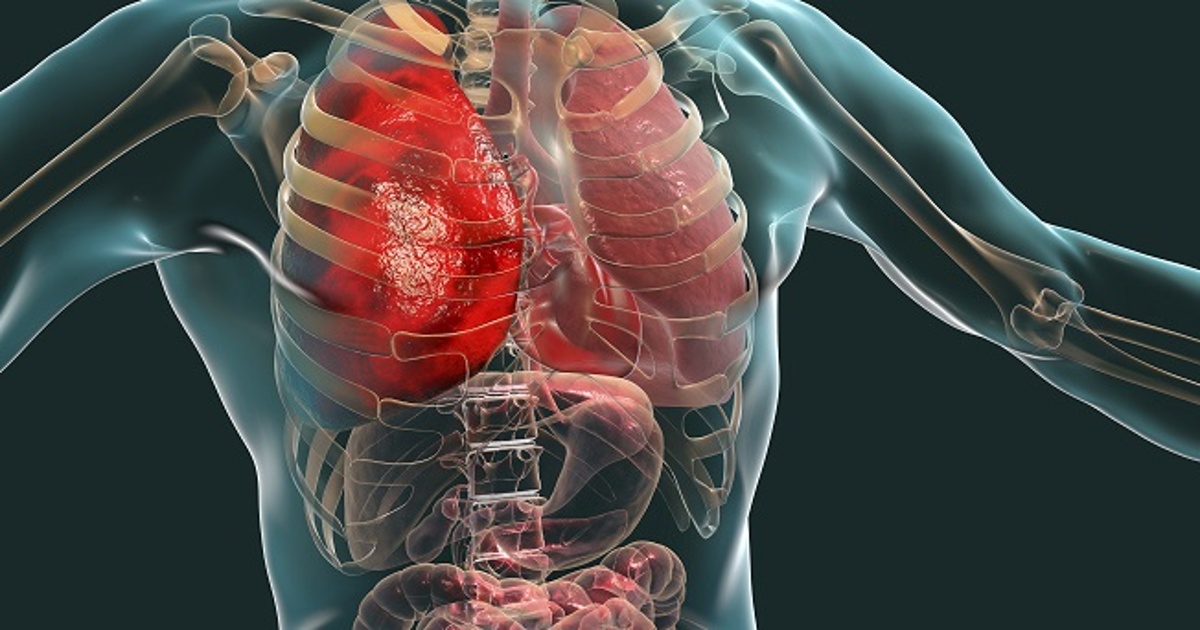
There was a time when organ failure was mostly associated with old age. Today, however, rising organ failure in young patients is becoming a heartbreaking reality across hospitals worldwide. Teenagers, college students, young parents in their 20s and 30s — many are now battling severe kidney and liver failure, urgently needing transplants to survive.
Behind every statistic is a face. A 19-year-old engineering student on dialysis. A 27-year-old mother awaiting a liver transplant while her child waits at home. Families are organising crowdfunding campaigns, appealing to strangers, and praying for a miracle — because a transplant is often the only hope left.
The crisis of rising organ failure in young patients is no longer isolated. It reflects deeper systemic issues — from healthcare accessibility gaps to insufficient organ donation awareness — and demands urgent attention in 2026.
Why Are Young Patients Facing Severe Organ Failure?
The alarming surge in rising organ failure in young patients can be linked to several interconnected factors.
1. Lifestyle-Related Diseases at Younger Ages
Modern lifestyles have shifted dramatically. High-sodium diets, processed foods, sedentary habits, alcohol misuse, and uncontrolled diabetes are now affecting individuals earlier than ever before. Chronic kidney disease and fatty liver disease are increasingly diagnosed in people under 35.
What once took decades to damage vital organs now happens within years.
2. Delayed Diagnosis and Medical Intervention Urgency
Many young patients ignore early warning signs — fatigue, swelling, persistent nausea, or abnormal blood reports — assuming they are temporary issues. By the time they seek care, organ damage may already be irreversible.
This is where medical intervention urgency becomes critical. Early detection can slow or even prevent progression. Unfortunately, delayed diagnosis contributes significantly to the growing burden.
3. Healthcare Accessibility Gaps
One of the most painful aspects of rising organ failure in young patients is the disparity in treatment access. Rural areas often lack nephrologists and hepatologists. Even urban centres face overcrowded public hospitals.
Private treatment costs can be overwhelming:
- Dialysis multiple times a week
- Immunosuppressive drugs post-transplant
- Surgical expenses running into lakhs
These healthcare accessibility gaps mean that survival often depends on financial capacity rather than medical urgency.
The Kidney Transplant Demand Is Surging
Kidneys are among the most commonly transplanted organs. Yet the kidney transplant demand continues to outpace available donors dramatically.
Thousands of young patients are added to the transplant waiting list every year. Dialysis can sustain life temporarily, but it is not a permanent solution. Long-term dialysis increases complications and reduces quality of life.
For many families, every phone call could be the one announcing a donor match. But the waiting period can stretch for months or even years.
This mismatch between need and availability is fuelling the crisis of rising organ failure in young patients.
The Liver Transplant Crisis: A Race Against Time
Unlike kidney failure, severe liver failure often leaves very little time for decision-making. The liver transplant crisis is especially acute because acute liver failure can deteriorate rapidly.
Young patients with:
- Autoimmune disorders
- Viral hepatitis
- Alcohol-related liver disease
- Genetic metabolic conditions
may require emergency transplantation.
Living donor liver transplants offer hope, but not every patient has a medically eligible or financially capable donor within the family. This intensifies the urgency surrounding life-saving organ donation.
Organ Donation Awareness: At the heart of rising organ failure in young patients lies a sobering truth—organ donation rates remain critically low in many regions.
Despite medical advancements:
- Myths about religious restrictions persist.
- Families hesitate during moments of grief.
- Many people never register as donors.
Greater https://aangdaan.delhi.gov.in/site/awareness-campaigns can dramatically reduce waiting times. A single deceased donor can save multiple lives: kidneys, liver, heart, lungs, and more.
Yet public participation remains limited.
The Emotional Toll on Families
Beyond the medical reports lies emotional devastation.
Parents watching their children weaken on hospital beds.
Young couples postponing dreams of marriage or careers.
Siblings volunteering for compatibility tests.
The financial burden adds another layer. Fundraisers, loans, and asset sales become survival strategies. The phrase “rising organ failure in young patients” is not just clinical; it is deeply human.
Families often say the same thing:
“We just need a chance.”
Public Participation in Donation Drives: A Collective Responsibility
If the gap between demand and availability continues, the crisis will worsen. That is why public participation in donation drives is no longer optional — it is essential.
Steps individuals can take:
- Register as an organ donor.
- Spread accurate information.
- Discuss donation wishes with family.
- Support verified transplant fundraisers.
- Volunteer in awareness campaigns.
Each act contributes to expanding the pool of life-saving organ donation opportunities.
Policy and System-Level Changes Needed
Addressing rising organ failure in young patients requires structural reform:
1. Strengthening Public Healthcare Infrastructure
Reducing healthcare accessibility gaps ensures early screening and affordable treatment.
2. Mandatory Awareness Campaigns
Integrating organ donation awareness into school and college curricula can normalise conversations early.
3. Transparent Transplant Waiting List Systems
Trust increases registration rates. Fair allocation policies build confidence.
4. Financial Support Programs
Subsidies for transplants and postoperative medication can prevent families from falling into poverty.
Prevention: The First Line of Defense
While transplantation saves lives, prevention remains the strongest solution.
Encouraging:
- Routine health check-ups
- Controlled blood sugar and blood pressure
- Reduced alcohol intake
- Healthy dietary habits
- Exercise and weight management
can slow the trend of rising organ failure in young patients.
Preventive education must start early — even in schools.
Stories That Demand Attention
Hospitals report cases of the following:
- 22-year-olds on dialysis for chronic kidney disease.
- 30-year-olds awaiting urgent liver transplants.
- Young breadwinners unable to work due to organ failure.
These are not rare occurrences anymore.
The increasing kidney transplant demand and ongoing liver transplant crisis indicate a systemic health shift that policymakers cannot ignore.
A Moral and Medical Imperative
Every addition to the transplant waiting list represents someone fighting for survival.
Every unregistered donor represents a missed opportunity to save multiple lives.
The growing wave of rising organ failure in young patients is a wake-up call. It challenges us to rethink healthcare systems, community responsibility, and preventive habits.
The Power of One Decision
When someone chooses organ donation, they choose to extend life beyond their own.
One donor can:
- Restore sight.
- Replace failing kidneys.
- Save a dying liver patient.
- Give a young person a second chance at education, career, and family.
In the face of medical intervention urgency, timely donation can mean the difference between hope and heartbreak.
Final Thoughts: A Call to Act in 2026
The crisis of rising organ failure in young patients is no longer distant. It is unfolding in emergency rooms, dialysis centers, and transplant wards every day.
We must:
- Bridge healthcare accessibility gaps.
- Increase organ donation awareness.
- Encourage public participation in donation drives.
- Respond to kidney transplant demand with systemic support.
- Address the liver transplant crisis with urgency.
Every contribution — whether registering as a donor, sharing awareness, or supporting a patient financially — matters.
Because somewhere right now, a young patient is waiting.
And that wait could end with a single, compassionate decision.
Stay connected with newsnarada.in – Messenger of Truth.