
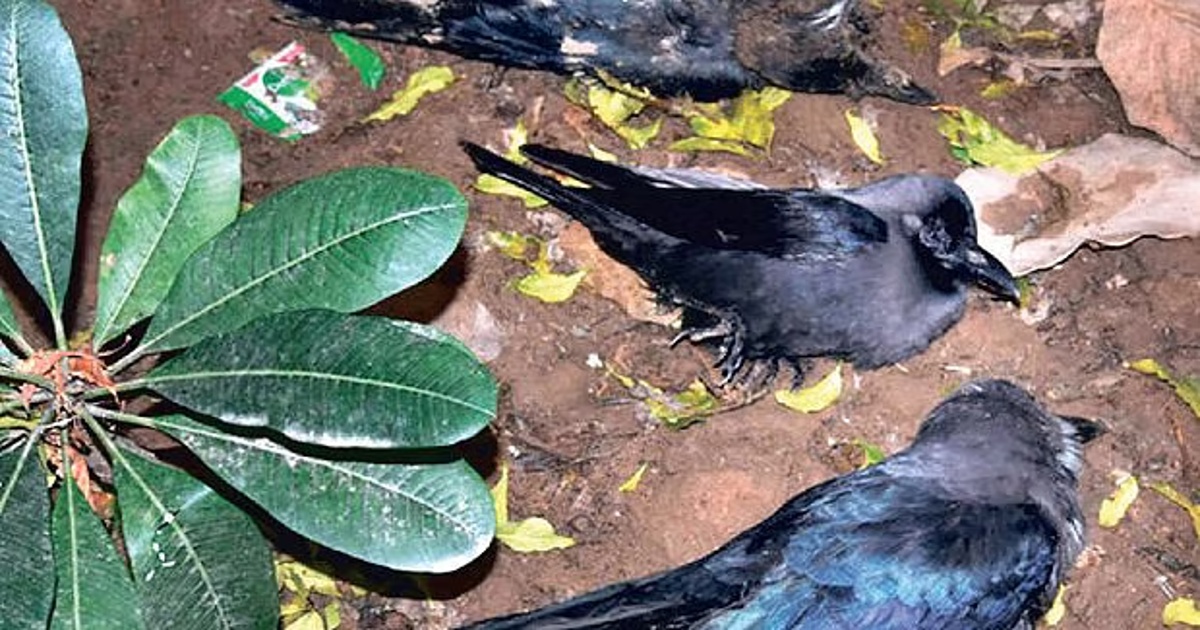
In early 2026, reports of crow dying in TN Chennai and Cuddalore raised concern among locals, as well as wildlife and public health authorities. Laboratory tests confirmed that the deaths of hundreds of crows in Chennai were caused by the H5N1 strain of avian influenza, commonly known as bird flu.
The central government has since issued a bird flu advisory for Tamil Nadu, urging authorities to intensify surveillance and take precautionary measures to prevent further spread among birds and minimize any risk to humans. This confirmation has brought the issue of crow deaths in Chennai and Cuddalore into sharp focus, highlighting the importance of monitoring avian health in 2026.
What Happened: Bird Flu Confirmed in Crows
Earlier this year, multiple dead crows were first spotted across neighborhoods in and around Chennai, including Adyar, Gandhi Nagar, Pallikaranai, and Velachery. Veterinary teams collected samples from carcasses, which were then sent to a high-security laboratory in Bhopal.
Those tests confirmed the presence of H5N1 avian influenza virus, a highly pathogenic strain known to cause high mortality in birds and occasional transmission risks to mammals.
The Union Ministry of Fisheries, Animal Husbandry and Dairying has since advised the Tamil Nadu government to:
- Report any unusual bird deaths immediately
- Strengthen surveillance of both wild birds and poultry
- Alert forest and wildlife departments
- Carry out thorough disinfection in affected areas
Officials also stressed proper carcass handling protocols to control the outbreak.
Why This Matters
Reports of crow deaths Tamil Nadu due to avian influenza are concerning because:
- H5N1 is highly pathogenic in birds, leading to large-scale mortality.
- There is potential, albeit small, for zoonotic transmission meaning infection could spread to animals or people under certain conditions.
- Mass bird deaths often point to broader environmental or public health threats that require swift action.
Although no human cases have yet been reported in this outbreak, authorities are urging caution and enhanced monitoring.
Bird Flu Outbreak Response in Tamil Nadu
After the confirmation of the virus, state and central agencies have started implementing precautionary measures to contain the outbreak:
1. Surveillance and Monitoring
Animal husbandry and wildlife authorities are tracking any unusual bird mortality. This includes checking both urban zones and wooded areas for further deaths or signs of illness among bird populations.
2. Handling and Disposal Protocols
Guidelines prohibit bare-handed handling of dead birds. Workers are instructed to use gloves and follow proper sanitation practices. Carcasses of both wild birds and poultry must be either burned or deeply buried (at least 8–10 feet) to avoid environmental contamination.
3. Public Advisory
The public health advisory urges residents to:
- Report any dead birds immediately
- Avoid touching carcasses
- Seek medical attention for flu-like symptoms, especially if exposure to sick birds occurred
Despite the seriousness of the situation, officials stress that bird flu cannot easily spread to humans without close contact, and there is no reason to panic, reinforcing that human cases remain uncommon historically.
How Bird Flu Spreads
Avian influenza typically circulates among birds, especially waterfowl and wild bird populations like crows. The highly pathogenic H5N1 strain can spread through:
- Contact with infected bird droppings
- Shared feeding or watering sites
- Scavengers coming into contact with carcasses
Health officials emphasize that handling carcasses or contaminated materials improperly increases risk.
Comparing Chennai and Cuddalore Outbreak Reports
While a large cluster of dead crows in Chennai has been confirmed as avian influenza, similar deaths in Cuddalore are being monitored closely. Residents in coastal and rural stretches have reported sightings of several dead birds, although confirmation from laboratory testing across regions beyond Chennai is still ongoing.
The growing narrative of crow dying in TN Chennai and Cuddalore has policymakers extending surveillance beyond Chennai to prevent potential spread through migrating birds or neighboring habitats.
Potential Impacts on Poultry and Wildlife
Authorities are especially concerned about poultry farms and migratory bird sanctuaries. Avian influenza outbreaks in wild birds often precede or coincide with spread in domestic poultry, which could threaten livelihoods connected to poultry farming.
To prevent this:
- Poultry farms are advised to implement strict biosecurity.
- Movement of poultry and related products in and out of affected zones is being monitored.
This is especially important because crow mortality news 2026 and bird flu outbreaks in multiple regions (including reports from Kerala and Bihar) indicate a broader pattern requiring coordinated action.
Public Reaction and Safety Measures
Community response has ranged from concern to vigilance. Residents across affected neighborhoods have been asked to:
- Avoid direct contact with sick or dead birds
- Report sightings promptly
- Maintain good hygiene and avoid spreading rumors
Authorities encourage people to remain calm but cautious, particularly in areas with known bird flu activity.
What to Do If You See Dead Birds
If you observe groups of dead crows or other birds:
- Do not touch them with bare hands
- Report the incident to local animal husbandry or municipal offices
- Keep children and pets away
Safe reporting and proper handling are essential steps in preventing further spread.
Staying Alert: Crow Deaths and Public Health in Tamil Nadu
The confirmed H5N1 strain causing crow dying in TN Chennai and Cuddalore has put both public health and wildlife protection on high alert in 2026. While no human cases have been reported so far, the seriousness of avian influenza requires careful monitoring, timely reporting, and community awareness.
Authorities continue surveillance and containment measures, and residents are urged to stay informed and take precautions. By understanding the risks and following proper protocols, Tamil Nadu can effectively manage this outbreak and prevent further impacts on both wildlife and human health.
Source: According to a report by The Times of India, crow deaths reported in Chennai were confirmed to be caused by the H5N1 avian influenza virus, prompting the Centre to caution Tamil Nadu and increase surveillance.
Stay connected with newsnarada.in – Messenger of Truth.