
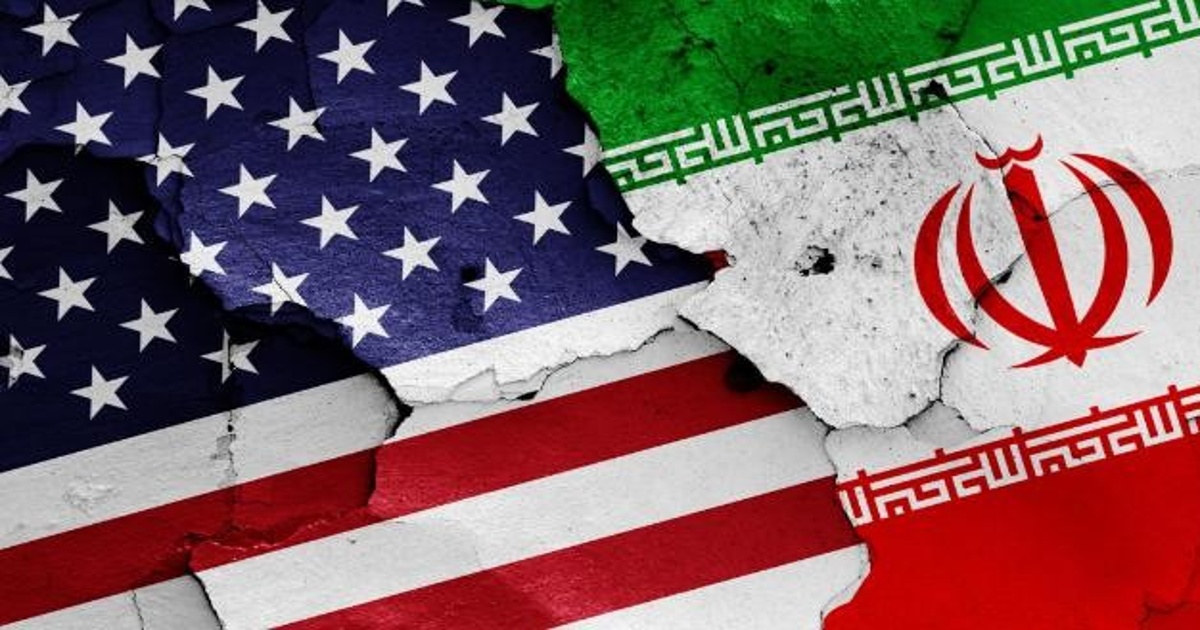
The Iran USA war in 2026 has entered one of its most intense and unpredictable phases. What started as escalating tensions has now grown into a wider conflict, involving multiple countries, missile exchanges, and rising global concern. Recent developments highlight coordinated military actions, retaliatory strikes, and strategic responses from regional powers, including the United Arab Emirates (UAE) and other Gulf nations.
According to recent reports, the conflict escalated after strikes on key Iranian targets, followed by missile launches and growing involvement from allied groups. The situation has raised serious questions about regional stability, global diplomacy, and the future of the Middle East. Information in this article is taken from reporting by The Times of India.
What Triggered the Latest Iran USA War Escalation
The latest escalation began with coordinated strikes on Iran’s military infrastructure, targeting key command centres, air defence systems, missile and drone launch sites, and other strategic facilities. U.S. military officials said these operations were aimed at weakening Tehran’s ability to conduct further attacks, while Iran has responded with its own drone and missile actions against U.S. bases in the region. Such developments have heightened tensions across the Middle East and raised global concerns about how far the conflict might spread.
Following the strikes, video footage released by U.S. officials showed attacks on Iranian military sites, which quickly circulated across international media and social platforms. These visuals became a major talking point in global discussions about the conflict.
Soon after these developments, Iran responded with missile and drone strikes, expanding the scope of the Middle East war update and intensifying fears that the conflict could spread across the region.
US Israel Strikes Iran: A Turning Point in the Conflict
One of the most notable developments in the conflict saw the United States and Israel carry out closely coordinated military operations against strategic Iranian infrastructure. According to reports, these precision strikes focused on facilities linked to Iran’s military capabilities and regional influence, marking a significant escalation and demonstrating deep cooperation between the two countries’ armed forces.
These US Israel strikes on Iran operations were described as highly strategic, focusing on weakening Iran’s operational capabilities. Military analysts suggest the attacks were intended to send a strong signal and deter further escalation from Tehran.
At the same time, the release of the IRGC HQ strike video added another layer to the situation. The footage reportedly showed missile systems being used to hit specific military targets, making the conflict more visible to the global audience.
This moment marked a shift in the war narrative transforming it from a series of proxy tensions into a more direct confrontation between major powers.
Hezbollah Fires at Israel: A New Front Opens
A major escalation occurred when the Lebanese group Hezbollah launched rockets and drones toward northern Israel, raising fears that the conflict could spread beyond its original battlegrounds. According to reports, this marked a significant expansion as Israel responded with airstrikes against Hezbollah targets across southern Lebanon, including in the capital’s suburbs, in what has become one of the most intense cross‑border clashes in recent years. These events underline how regional actors are now being drawn into the broader confrontation.
The Hezbollah fires at Israel incident raised alarms among security experts because it increased the risk of a multi-front war in the Middle East. Historically, such developments have often led to prolonged regional instability.
Israeli defense systems were activated immediately in response to the attacks, and authorities issued warnings to civilians in affected areas. The incident further intensified tensions and contributed to a rapidly evolving Middle East war update.
Iran Retaliation Attacks and Regional Shockwaves
In response to recent military actions against it, Iran launched missile barrages and drone attacks aimed at multiple locations linked to U.S. and allied forces across the Middle East. Iranian state military statements described these operations as defensive measures intended to protect national interests and deter further strikes, with several missiles and drones reportedly fired toward military bases, airfields and strategic sites in the region.
Several areas across the region reported heightened alert levels as missile threats and military movements increased. Air defense systems were activated in several countries as a precaution.
The Iran retaliation attacks demonstrated that the conflict had the potential to escalate quickly, drawing in more nations and military alliances.
UAE Response to Iran War and Gulf Region Reactions
An important aspect of the current Iran USA war is how Gulf nations are reacting to the situation. Countries such as the United Arab Emirates (UAE) have been closely monitoring developments and strengthening security measures.
The UAE response to the Iran war has focused on regional stability, protection of strategic infrastructure, and cooperation with international allies. Being a major economic and aviation hub, the UAE plays a crucial role in ensuring that the conflict does not disrupt global trade routes or energy supplies.
Gulf countries have also expressed concern about missile threats and potential spillover effects from the conflict. Diplomatic channels remain active as leaders attempt to prevent the war from expanding further.
Experts say that how Gulf nations position themselves diplomatically and militarily could have a major impact on how the conflict unfolds in the weeks ahead. Several Gulf states have already condemned cross‑border attacks on their territory and are balancing defence, diplomacy and regional security as tensions escalate, making their responses a key factor in the wider situation.
Civilian Impact and Rising Global Concern
Beyond military tactics and strategic calculations, the ongoing conflict has taken a serious toll on civilians across the region. In several cities, explosions and the blare of air‑raid sirens have become a part of daily life, forcing people to seek shelter and disrupting routines as emergency alerts sound and alarms echo through neighbourhoods. Reports describe streets emptied of usual activity, anxious families waiting out alerts, and communities bracing for further disturbances, underscoring the heavy human impact behind the headlines.
In parts of the Middle East, daily life has been disrupted as governments issue warnings and increase security measures. Airports, transportation systems, and public infrastructure have been placed under tighter monitoring due to fears of escalation.
International organisations and governments worldwide are calling for restraint and dialogue, highlighting the urgent need to avoid further violence.
The growing humanitarian concern is another reason why the Middle East war update continues to dominate global headlines.
Why This Conflict Is Important Globally
The Iran USA war is not just a regional issue it has global implications. Several factors explain why this conflict is being closely watched around the world.
Global Energy Security
The Middle East is a major hub for oil and energy supply. Any escalation in the Iran USA war could affect global energy markets and trade routes.
International Alliances
The involvement of multiple countries, including Western powers and Gulf nations, highlights the complex web of alliances shaping the conflict.
Economic Impact
Financial markets, shipping routes, and international trade could all be affected if tensions continue to rise.
Security Concerns
The potential expansion of the conflict increases security risks across multiple regions.
What Could Happen Next in the Iran USA War
Experts believe the future of Iran and the USA could follow several possible paths.
1. Continued Military Escalation
If attacks and retaliation continue, the conflict could grow into a larger regional war involving additional countries.
2. Diplomatic Intervention
International mediation efforts may attempt to reduce tensions and encourage negotiations between the parties involved.
3. Strategic Containment
Some analysts suggest that global powers may try to contain the conflict within limited zones to prevent wider instability.
Each of these scenarios will depend heavily on diplomatic decisions, military strategies, and regional alliances.
The Bigger Picture of the Middle East Crisis
The current situation reflects deep-rooted geopolitical tensions that have been building for years. Concerns over security, regional influence, alliances, and power dynamics continue to shape the crisis. As events unfold, governments and global observers are closely monitoring developments, with new updates emerging frequently. This conflict remains one of the most significant international news stories of 2026, influencing discussions on global security, diplomacy, and the future of the Middle East.
Source: Information for this article is taken and adapted from reporting published by The Times of India regarding the Iran war developments and key updates.
Stay connected with newsnarada.in – Messenger of Truth.