
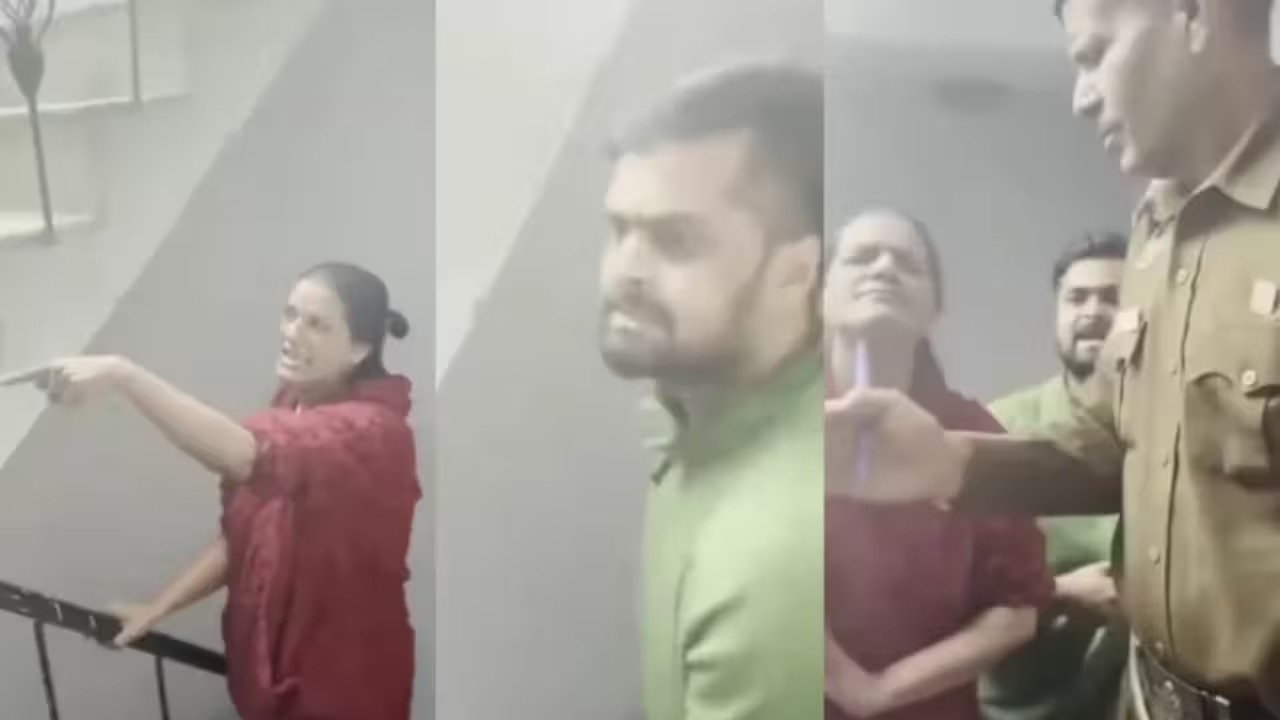
In the bustling residential lanes of Malviya Nagar in South Delhi, a seemingly mundane apartment disagreement over a repair job spiraled into a national conversation on racial prejudice — bringing to the forefront the ugly reality of racist slurs against Arunachal women and the broader patterns of Northeast discrimination in metropolitan India. (The Times of India)
This incident, involving three young women from Arunachal Pradesh, erupted not over a grand political debate but a minor residential quarrel — a stark reminder that discrimination can be rooted in the everyday. Today, we unpack what happened, the reactions it sparked, and why it matters not just to the victims, but to every Indian who believes in equal dignity for all citizens.
When a Repair Job Became a Racial Flashpoint
On the afternoon of February 20, 2026, the trio was getting an air-conditioning unit installed in their rented fourth-floor apartment. During the drilling process, dust and debris unintentionally fell onto the floor below. What should have been a brief matter of adjustment instead ignited a heated exchange with their downstairs neighbors, identified as Harsh Singh and his wife, Ruby Jain. (Northeast Today – Home)
The disagreement — rooted in a common complaint about falling debris — soon escalated into outright racial abuse in Delhi, with the neighbors allegedly hurling derogatory and racist slurs against Arunachal women. (News24)
According to police reports and witnesses, the verbal confrontation was not limited to irritation over repair work. Instead, it quickly devolved into offensive stereotypes targeting not only the women but the entire Northeastern community — including accusations of immoral behavior and degrading references implying they worked in massage parlours for money. (The Indian Express)
What Was Said and How It Spread
A purported video of the altercation circulating on social media shows the accused making derogatory comments such as:
- Referring to the women as “dhandhewali” (suggesting sex work). (News24)
- Asking if they had opened a “massage parlour” at home. (The Indian Express)
- Using racially charged and demeaning language emphasizing stereotypes of Northeastern people. (The Times of India)
Such slurs against Arunachal women are not isolated to this incident; they echo a larger pattern of prejudice faced by people from the Northeast, from language mockery to questioning their belonging within the country. While this particular confrontation was captured on camera and shared widely, hundreds of similar experiences typically go unreported. (www.ndtv.com)
FIR Registered: Legal Action and Police Involvement
Following the incident, the Malviya Nagar Police registered an FIR against the couple under multiple sections of the Bharatiya Nyaya Sanhita (BNS), including:
- Section 79 (insulting modesty of a woman)
- Section 351(2) (criminal intimidation)
- Section 3(5) (common intention)
- Section 196 (promoting enmity on grounds of race or residence) (News24)
Section 196, in particular, is designated for acts that promote hostility between different groups on racial or regional bases — and it’s categorized as a non-bailable, cognizable offense. (News24)
Yet, at the time of reporting, no arrests had been made, even as the FIR sent a strong message that the law recognizes racial abuse as a serious offense. (The Indian Express)
The Voices at the Center: What the Women Said
One of the three women, who has been preparing for the prestigious UPSC civil services exam, spoke publicly about her ordeal: what started as a “minor disagreement” quickly became a harrowing confrontation where “offensive stereotypes” were weaponized against them, not only as individuals but because they “look different” and don’t speak Hindi like others. (www.ndtv.com)
Her words underscore a painful truth — that prejudice often stems from ignorance and fear of the unfamiliar. She stated emphatically, “We are as much Indian as anyone else.” (The Indian Express)
Public Outrage and Calls for Accountability
The video of the confrontation sparked widespread outrage online. Social media platforms were flooded with comments condemning the racial abuse in Delhi, with users demanding accountability and broader societal reflection.
Political voices also weighed in. For instance, Meghalaya Chief Minister Conrad K. Sangma publicly condemned the incident, urging an end to discrimination against people from the Northeast and emphasizing that respect and dignity should be universal. (The Times of India)
Why This Incident Matters
This episode goes beyond a single apartment dispute — it highlights systemic issues of regional bias and cultural prejudice in India’s urban centers. Major cities like Delhi draw people from across the country for education, work and opportunity. Yet, incidents like this show that belonging and acceptance still lag behind geographic movement.
Here’s why this matters:
1. Dehumanization Hurts More Than Words
Racist slurs against Arunachal women weren’t just offensive — they were an attack on their identity, dignity, and sense of safety in a place they call home. (The Times of India)
2. Pattern of Prejudice Requires Broader Awareness
Cases like this aren’t exceptions. Earlier reports and personal accounts from Northeastern people living in metro cities reflect a long history of racial abuse and exclusion. (www.ndtv.com)
3. Legal Recognition Is Only the First Step
While the FIR acknowledges racial abuse as a punishable act, true change requires both societal reflection and preventive education — not just legal consequences.
Looking Ahead: What Needs to Change
A society that prides itself on diversity must do more than register complaints. It must:
- Educate communities about diversity and inclusion
- Support victims emotionally and legally
- Ensure swift justice to deter future racial abuse
- Promote narratives that celebrate unity over division
Only then can India’s cities truly be a home where no one is made to feel like an outsider in their own country.
Final Thoughts
The racist slurs against Arunachal women in Malviya Nagar were more than hurtful words — they revealed deep-seated prejudices that too often go unnoticed until captured on video. This incident has forced a reckoning, not just for the individuals involved, but for society at large.
India’s strength lies in its diversity. And until every citizen — from Kashmir to Kanyakumari and Arunachal to Assam — feels genuinely welcomed and respected, the nation still has progress to make.
Stay connected with newsnarada.in – Messenger of Truth.
Written by Tejas Dhanakoti| NewsNarada | Updated: 2026