
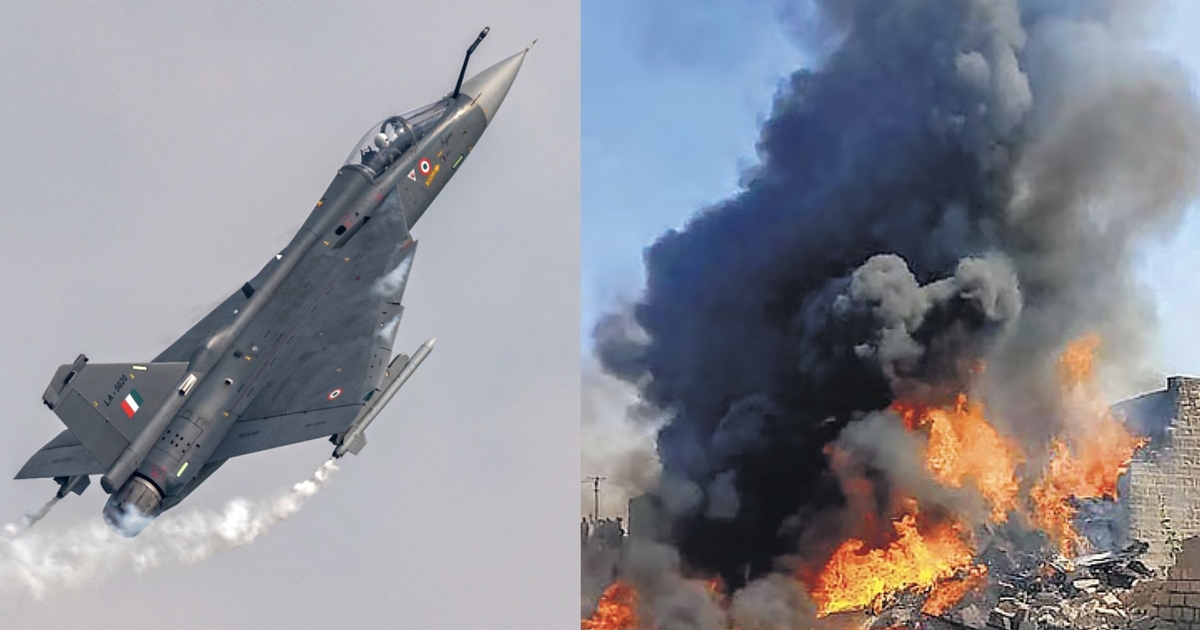
The recent Tejas aircraft crash–related incident has once again brought attention to India’s indigenous fighter program and aviation safety measures. Reports suggest that a Tejas fighter jet was damaged after overshooting the runway during operations, prompting the Indian Air Force (IAF) to begin an investigation. While the situation did not involve a mid-air crash, the incident raised questions about operational safety, aircraft maintenance, and the readiness of the Tejas fleet.
The development quickly became major Tejas aircraft news, especially because it is reportedly the third notable incident involving the aircraft in recent times. The IAF probe aims to determine whether technical issues, weather conditions, or operational factors contributed to the Tejas runway overshoot.
What Is the Tejas Fighter Jet?
The Tejas fighter jet is India’s indigenous light combat aircraft designed to strengthen the country’s defense capabilities. Developed by Hindustan Aeronautics Limited in collaboration with defense research agencies, the aircraft represents a major milestone in India’s aerospace manufacturing efforts.
The aircraft is used by the Indian Air Force for air defense, reconnaissance, and combat missions. Over the years, the Tejas program has been considered a symbol of India’s move toward self-reliance in defense technology.
Despite its advanced avionics and lightweight design, every military aircraft program undergoes operational challenges during deployment and expansion. This is why incidents like the recent Indian Air Force Tejas incident are closely monitored and investigated.
Details of the Tejas Aircraft Incident
According to reports, the latest Tejas aircraft crash-related incident occurred when the aircraft overshot the runway during landing operations. The aircraft sustained damage, but early information indicates that the pilot was safe.
This particular Tejas runway overshoot incident triggered precautionary measures, including a technical review and checks on the Tejas fleet grounding in certain operational conditions until safety assessments are completed.
Such incidents are not uncommon in aviation, but because the Tejas is a relatively new addition to India’s combat fleet, every event attracts significant attention from both defense analysts and the public.
Key points reported about the incident include:
- The aircraft overshot the runway during landing.
- Damage was reported to the aircraft structure.
- The pilot followed safety protocols.
- The IAF probe was initiated soon after the incident.
- Technical and operational aspects are under review.
This situation has sparked discussions about Tejas crash investigation procedures and how defense forces ensure aircraft safety.
Why the IAF Launched an Investigation
Whenever an aviation incident occurs, especially involving military aircraft, the first step is a detailed review. The IAF probe in this case is expected to examine multiple aspects, including:
1. Technical Factors
One of the primary areas of focus is whether there was a mechanical issue that contributed to the Tejas aircraft crash incident. Engineers may inspect:
- Landing gear systems
- Braking performance
- Flight control systems
- Engine response during landing
The goal is to ensure HAL Tejas safety standards remain intact.
2. Weather and Runway Conditions
Another possible factor in the Tejas runway overshoot could be runway conditions such as:
- Wet or slippery runway surfaces
- Visibility challenges
- Sudden wind changes during landing
These factors can affect even experienced pilots, which is why they are included in the Tejas crash investigation.
3. Pilot Response and Procedures
Military aviation involves strict protocols. Investigators typically review:
- Flight data recorders
- Cockpit communication
- Approach speed and landing alignment
This helps determine whether the incident resulted from operational or situational challenges.
Impact on the Tejas Fleet
Following the incident, discussions around Tejas fleet grounding and precautionary inspections began circulating. While grounding an entire fleet is not always necessary, temporary checks and operational reviews are standard procedure after any major Tejas aircraft news event.
Such safety steps are taken to:
- Prevent similar incidents
- Reassure pilots and operational units
- Maintain mission readiness
- Strengthen aircraft reliability
The Indian Air Force Tejas incident has therefore become part of a broader review process to maintain high aviation safety standards.
Previous Incidents and Growing Attention
This is reportedly not the first Tejas aircraft crash-related report in recent years. With the fleet gradually expanding, the number of operations has increased, which naturally increases scrutiny whenever an issue occurs.
However, aviation experts often point out that early operational incidents can actually help improve aircraft performance and safety in the long run. Every Tejas crash investigation provides data that engineers and pilots can use to refine systems and procedures.
As more Tejas aircraft enter service, these reviews will play a key role in strengthening confidence in the platform.
Importance of HAL Tejas Safety Checks
Maintaining HAL Tejas safety is a critical priority for both the manufacturer and the air force. Modern fighter aircraft rely on complex systems such as:
- Advanced avionics
- Fly-by-wire flight controls
- Composite airframe structures
- Precision landing and navigation systems
Regular inspections and upgrades ensure that the Tejas fighter jet continues to perform effectively under operational conditions.
The latest Tejas aircraft news indicates that safety audits and engineering reviews are being conducted as part of the ongoing investigation.
How Incidents Influence Future Aircraft Development
Interestingly, incidents like the Tejas runway overshoot often lead to improvements in aircraft design and training. Aviation programs worldwide use investigation results to:
- Improve landing systems
- Enhance pilot training simulations
- Update maintenance protocols
- Introduce upgraded software or hardware systems
In the long term, the Tejas crash investigation may contribute to improvements not only in the current fleet but also in future variants of the aircraft.
Public and Defense Community Reactions
The Tejas aircraft crash topic quickly gained attention across media and defense discussions. Analysts highlighted both the importance of transparency in investigations and the significance of supporting indigenous defense programs.
Many experts also emphasized that incidents during aircraft operations are carefully analyzed and are part of maintaining a strong aviation safety culture.
The Indian Air Force Tejas incident has therefore sparked conversations not just about safety but also about the future of India’s defense aviation ecosystem.
What Happens Next
The next steps in the IAF probe typically involve:
- Detailed technical examination of the aircraft
- Review of flight data and operational logs
- Assessment of pilot reports
- Recommendations for preventive measures
Once the Tejas crash investigation is completed, the findings may lead to updates in procedures or technical adjustments to further strengthen HAL Tejas safety.
The results will also help clarify whether the Tejas aircraft crash incident was caused by a technical malfunction, environmental conditions, or operational circumstances.
Conclusion
The recent Tejas aircraft crash-related incident has drawn national attention, especially given the aircraft’s importance in India’s defense strategy. While the Tejas runway overshoot resulted in damage to the aircraft, the quick response from the IAF probe highlights the seriousness with which such incidents are handled.
As the investigation continues, updates in Tejas aircraft news will provide clearer insights into the cause of the event and its implications for the Tejas fighter jet program. With ongoing safety checks, engineering reviews, and operational assessments, the focus remains on ensuring reliability, pilot safety, and mission readiness.
Ultimately, the Tejas crash investigation could contribute to further strengthening India’s indigenous fighter aircraft program and reinforcing trust in the growing Tejas fleet.
Source: Reported by The Times of India, published February 2026. Based on the article about a Tejas aircraft being damaged after overshooting the runway and the IAF initiating a probe.
Written by Gowrisri | NewsNarada | Updated: 2026