
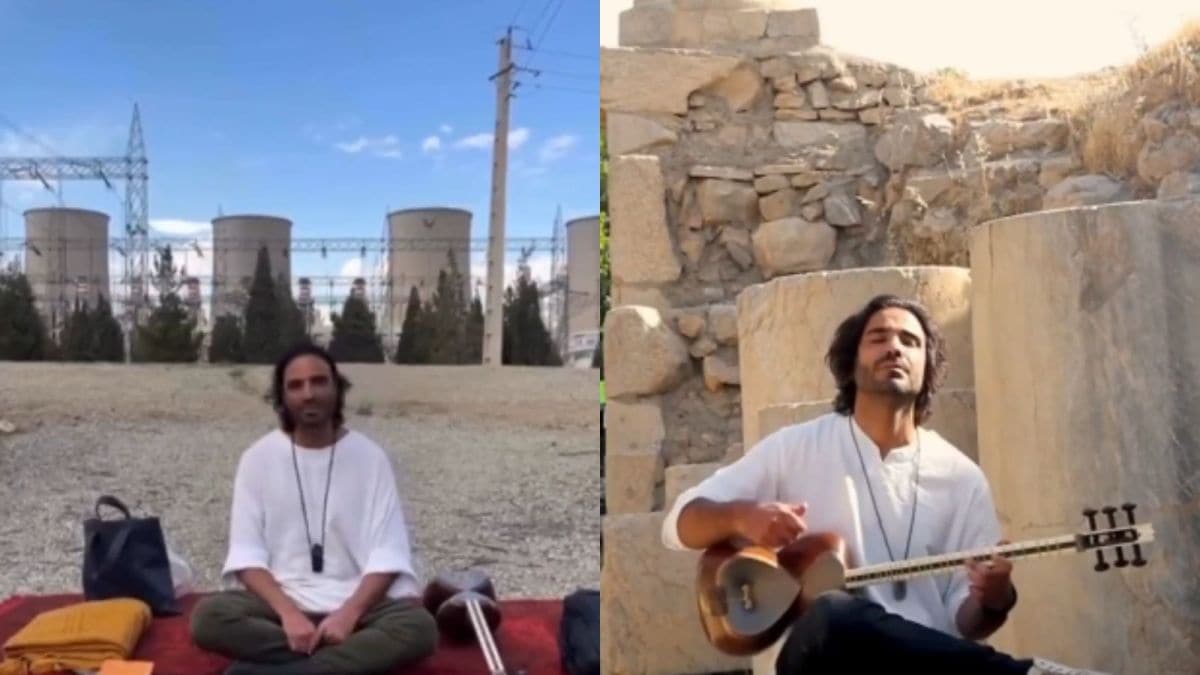
The Ali Ghamsari tar protest is one of the most notable cultural and political art events of 2026. Ali Ghamsari, an Iranian composer and tar player, played music outside the Damavand Power Plant as a way to peacefully protest as tensions rose between countries.
The Ali Ghamsari tar protest is more than just a concert; it’s a symbolic act to protect civilian infrastructure and promote peace during a time of global uncertainty. According to The Indian Express, Ghamsari stood at one of Iran’s most important energy facilities and played the tar, a traditional Persian instrument. This sent a message of hope and humanity in a time of political tension.
The Ali Ghamsari tar protest has now received attention from people all over the world. It shows how art can be a way to fight back without using violence.
Who is Ali Ghamsari? The Person Who Wrote the Music
Ali Ghamsari is a famous Iranian composer and master of the tar, a long-necked instrument that is very important in Persian classical music. His art mixes traditional Iranian music with modern ways of telling stories through art.
In the context of the Ali Ghamsari tar protest, it is very important that he is both an artist and a cultural voice. He isn’t a politician, but his music has often shown how people feel about society, their country, and their ability to bounce back.
His choice to play at Damavand shows how strongly he believes that music can help people protect their feelings and culture.
The Damavand Power Plant and What It Means Symbolically
The Damavand Power Plant, which is near Tehran, is one of Iran’s biggest power plants and meets a large part of the region’s energy needs.
The Ali Ghamsari tar protest turned the area from an industrial site into a symbol of civilian life, infrastructure safety, and national stability.
Ghamsari’s act in front of this plant was planned. It showed how important services like water and electricity are at risk during times of political unrest. His presence there sent a strong message: keeping people safe also means keeping infrastructure safe.
The Ali Ghamsari Tar Protest: What Happened
In 2026, the Ali Ghamsari tar protest happened during a time of high tensions between the US and Iran. Reports say that Donald Trump, who was then President of the United States, warned that there could be strikes on Iranian infrastructure if diplomatic conditions were not met.These threats included key facilities such as power plants and energy systems.
The Indian Express says that Ghamsari chose music over fighting and played directly at the Damavand Power Plant as a way to peacefully protest. He said that he hoped the sound of his tar could “have an impact on peace” and keep civilians safe. This emotional message became the main focus of the Ali Ghamsari tar protest, which became a global symbol of artistic resistance.
The Emotional Significance of Tar in Persian Culture
In Iran, the tar instrument is very important to their culture. It is used a lot in classical Persian music and is known for being deep and spiritual.
During the Ali Ghamsari tar protest, the instrument turned into more than just music; it became a voice for peace.
People often think of reflection, sadness, and hope when they hear the sound of tar. Ghamsari’s choice to play it in a place that was politically charged made the moment even more emotional.
This turned the Ali Ghamsari tar protest into a cultural statement that had an impact far beyond Iran.
What the Protest Was About
The main point of the Ali Ghamsari tar protest was simple but strong: protect human life and important infrastructure without violence.
Ghamsari said that being at the Damavand Power Plant was not a political act but a humanitarian one. He said that war and the destruction of basic services would have a big effect on regular people.
He is said to have said that he hoped his music could help “keep the lights in homes from going out.” This makes the Ali Ghamsari tar protest even more emotional.
People all over the world connected deeply with this message.
How the World Reacted to the Ali Ghamsari Tar Protest
The Ali Ghamsari tar protest quickly spread on social media, getting responses from musicians, activists, and people all over the world.
Some people praised the act as a peaceful way to fight back, while others talked about what it meant for politics. No matter what people thought, the performance sparked worldwide conversations about the following:
- What artists do in war zones
- The safety of civilian infrastructure
- How cultural expression can help during tough times
Al Jazeera, NDTV, and Hindustan Times, among other news outlets, covered the event in depth, emphasizing how important it was as a symbol.
Music as a Form of Resistance in Contemporary Conflicts
The Ali Ghamsari tar protest is a good example of a growing trend around the world: using art to fight back without violence.
Artists are using music, poetry, and performance more and more to talk about political and humanitarian issues without violence in today’s wars.
Ghamsari’s sit-in demonstrates how music can:
- Communicate emotional truth
- Humanize political issues
- Promote peace over aggression
- Raise global awareness
The Ali Ghamsari tar protest stands as a modern example of this artistic resistance movement.
Social Media Amplification and Global Awareness
Social media was one of the main reasons why the Ali Ghamsari tar protest got so much attention around the world. Videos of Ghamsari sitting calmly and playing his tar in front of the Damavand Power Plant quickly spread across platforms like X (formerly Twitter) and Instagram. The stark contrast between a peaceful musician and a huge industrial power plant had a strong emotional effect. This digital spread turned the protest into a global conversation in just a few hours.
The Bigger Picture of Politics
The Ali Ghamsari tar protest happened at a time when tensions were rising because of threats to Iranian infrastructure. Reports said that people were afraid of attacks on power plants, water systems, and energy networks. These threats made people worry about the safety of civilians and the humanitarian effects. Ghamsari’s protest showed these fears and stressed the need to protect the basic services that keep people alive.
Why This Protest Is Important in 2026
The Ali Ghamsari tar protest is important because of when it happened and what it stood for. In 2026, there are still a lot of tensions around energy infrastructure and geopolitical conflict around the world. In this kind of environment, peaceful artistic protests have a lot of meaning.
Key reasons this protest matters:
- It highlights the vulnerability of civilian infrastructure
- It shows the emotional role of artists in society
- It demonstrates non-violent resistance in conflict zones
- It makes humanitarian issues more important around the world.
The Ali Ghamsari tar protest is not just news; it is a cultural moment.
A Cultural Stand That Echoes Beyond Music
The Ali Ghamsari tar protest is a strong reminder that music can be more powerful than fighting. Ali Ghamsari turned a tense political moment into a global message of peace by choosing to talk instead of fight.
People will remember his performance at the Damavand Power Plant not just as a musical act but also as a stand for humanity, compassion, and cultural resistance. The Ali Ghamsari tar protest shows that even the softest music can send the strongest message of peace in a world that is often full of conflict.
Source: The Indian Express report on Iranian musician Ali Ghamsari’s tar performance at Damavand Power Plant amid US–Iran tensions in 2026.