

The Indian rupee has been in the news a lot in 2026, especially because of the Iran conflict and other global tensions that are affecting oil prices, markets, and currencies. If you’ve seen news about the Indian economy going up, down, or suddenly skyrocketing, you’re not the only one who wants to know what’s really going on.
Let’s break it down in a way that makes sense in the real world so you can see how the rupee works, why it’s moving so much right now, and how it affects your daily life.
What Is the Indian Rupee? (Simple Explanation)
The Indian rupee is India’s official currency, used for all transactions across the country. It is managed by the Reserve Bank of India, which controls supply, interest rates, and stability.
- Symbol: ₹
- 1 rupee = 100 paise
- Exchange rates change daily
The Indian rupee is not a fixed currency; instead, it follows a “managed float” system. This means that the market sets its value, but the RBI steps in when necessary to keep it from becoming too volatile.
Why the Indian Rupee Is in News in 2026
The rupee moved a lot recently, more than it has in years.
- It first fell sharply, crossing ₹95 per dollar
- Then suddenly surged strongly, gaining over 1% in a single day
- This was the biggest jump in more than a decade
What Caused This?
The main reasons behind the volatility in the Indian rupee include:
- Rising global oil prices
- The ongoing Iran war situation
- Foreign investors pulling money out
- Strong US dollar demand
In simple terms: global tension = weaker rupee (initially).
How the RBI Is Saving the Indian Rupee
The RBI took strong action, which is the main reason the Indian economy got better.
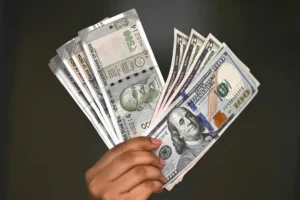
Key Steps Taken
- Restricted speculative trading
- Limited banks’ foreign exchange positions
- Banned certain forward trading practices
- Forced selling of dollars in the market
These actions helped the indian rupee bounce back quickly and stabilize.
Real-Life Example
Think of the RBI like a referee in a cricket match.
- If players (traders) start manipulating the game
- The referee steps in and sets strict rules
- This brings balance back
That is exactly what happened to the rupee.
What the War in Iran Did to the Rupee
The Iran conflict has had a direct impact on the Indian rupee.
Why?
India imports a large amount of oil. When war affects oil supply:
- Oil prices go up
- India spends more dollars
- Demand for dollars increases
- The indian rupee weakens
This chain reaction is one of the biggest reasons behind recent fluctuations.
Simple Example
If petrol prices increase:
- Transport costs rise
- Food prices increase
- Your daily expenses go up
Yes, the Indian rupee does have an effect on your money.
Why the Rupee Got Strong All of a Sudden
The rupee came back strong after falling.
Reasons for Recovery
- RBI intervention
- Dollar selling in the market
- Reduced speculative trading
- Improved investor confidence
The Indian rupee rose almost 1.8% in a single day at one point, which was its biggest move in more than ten years.
How Indian currency Affects Your Daily Life
Many people think currency changes don’t matter, but they actually affect almost everything.
1. Fuel Prices
If the Indian economy weakens, gas prices go up.
2. Mobile Phones & Electronics
The rupee’s weakness makes things more expensive because most gadgets are made outside of India.
3. Travel
When the Indian rupee is weak, it costs more to go abroad.
4. Jobs & Economy
A stable rupee draws in investors and creates jobs.
Real-Life Scenario: Middle-Class Impact
Let’s say that the rupee goes from ₹83 to ₹95 for every dollar.
- Petrol prices rise
- Grocery bills increase
- EMI pressure grows
Now imagine it strengthens again:
- Fuel prices stabilize
- Inflation slows
- Spending improves
That’s why even small changes in the rupee matter a lot.
Indian Rupee vs US Dollar: Why It Matters
People often compare the Indian currency to the US dollar.
Why Dollar Is Important
- Oil is traded in dollars
- Imports are paid in dollars
- Global trade depends on it
The rupee gets weaker when the dollar gets stronger.
What Is “Managed Float” in the India Rupee?
The Indian is not completely free or completely controlled.
Managed Float Explained
- The market decides value
- RBI intervenes when needed
This system helps avoid sudden crashes or extreme volatility.
Indian Rupee in Digital Form: The Future
India is also working on a digital version of the rupee in India.
- Known as e₹ (Digital Rupee)
- Controlled by RBI
- Works like digital cash
This could make payments faster and reduce dependency on physical money.
Practical Tips: How to Deal with Rupee Changes
Here are some useful tips you can actually follow:
1. Track Fuel Prices
They quickly show how the rupee is moving.
2. Make smart plans for your trip abroad.
Book when the Indian rupee is strong.
3. Invest Carefully
Currency changes affect stock markets.
4. Avoid Panic Decisions
Short-term fluctuations are normal.
5. Follow Reliable News
Stay away from false information about the.
What can happen next to the Indian?
Experts think that the value of the Indian rupee will depend on:
- Oil prices
- Global conflicts
- RBI actions
- Foreign investments
The may stabilize more if tensions go down.
But if global risks increase, volatility could return.
A Simple Explanation of the Rupee
The Indian rupee is more than just money; it shows how well India’s economy is doing, where it stands in the world, and how much it costs to live there every day.
In 2026, we’ve seen how:
- Global war impacts currency
- RBI actions can stabilize markets
- Small changes affect everyday expenses
Knowing how the Indian rupee works can help you make better choices about how to spend, save, or invest your money.
You will know exactly what it means and why it matters the next time you hear that the Indian rupee is going up or down.
Source: NDTV, Reuters & Economic Times—Indian Rupee and RBI Updates (2026)